Slow fashion gets mentioned a lot, but it’s not always clear what it actually means beyond “the opposite of fast fashion.” So here’s a proper explanation, and why it’s something worth caring about even if you’re not about to overhaul your entire wardrobe.
What is slow fashion?
Slow fashion is an approach to clothing that values quality, longevity and craftsmanship over speed and volume. Rather than chasing trends and churning out new styles every few weeks, slow fashion focuses on making pieces that last, using better materials, and often making them in smaller batches or one at a time.
It also tends to mean more transparency. Slow fashion brands are usually smaller, often made by hand or in small workshops, and it’s generally easier to know where and how something was made compared to a garment that’s passed through a long, fast-moving supply chain.
Why does it matter?
Fast fashion works on volume. Cheap materials, rapid production, and low prices, with the trade-off that clothes are often designed to be worn a handful of times before they fall apart or fall out of fashion. That has a real cost. It’s one of the most environmentally damaging industries in the world, and a lot of the human cost around how those clothes get made rarely makes it onto the label.
Slow fashion pushes back against that. Buying fewer, better things means less waste, both in terms of material and in terms of what ends up in landfill when a fast fashion piece falls apart after a few washes. It also tends to mean clothes that actually mean something. A piece made by hand, or made from something reclaimed, carries a bit of a story with it in a way a mass-produced item usually doesn’t.
What slow fashion looks like in practice
You don’t need to throw out your whole wardrobe to move towards slow fashion (in fact you want to do the opposite!). Some simple ways in:
- Buying second-hand or thrifted where you can, rather than always buying new
- Choosing pieces made from natural, durable fabrics that will actually last
- Supporting small, independent makers instead of big fast fashion retailers
- Getting things repaired, altered or reworked rather than replacing them at the first sign of wear
- Buying less, but choosing pieces you’ll actually keep and wear for years.
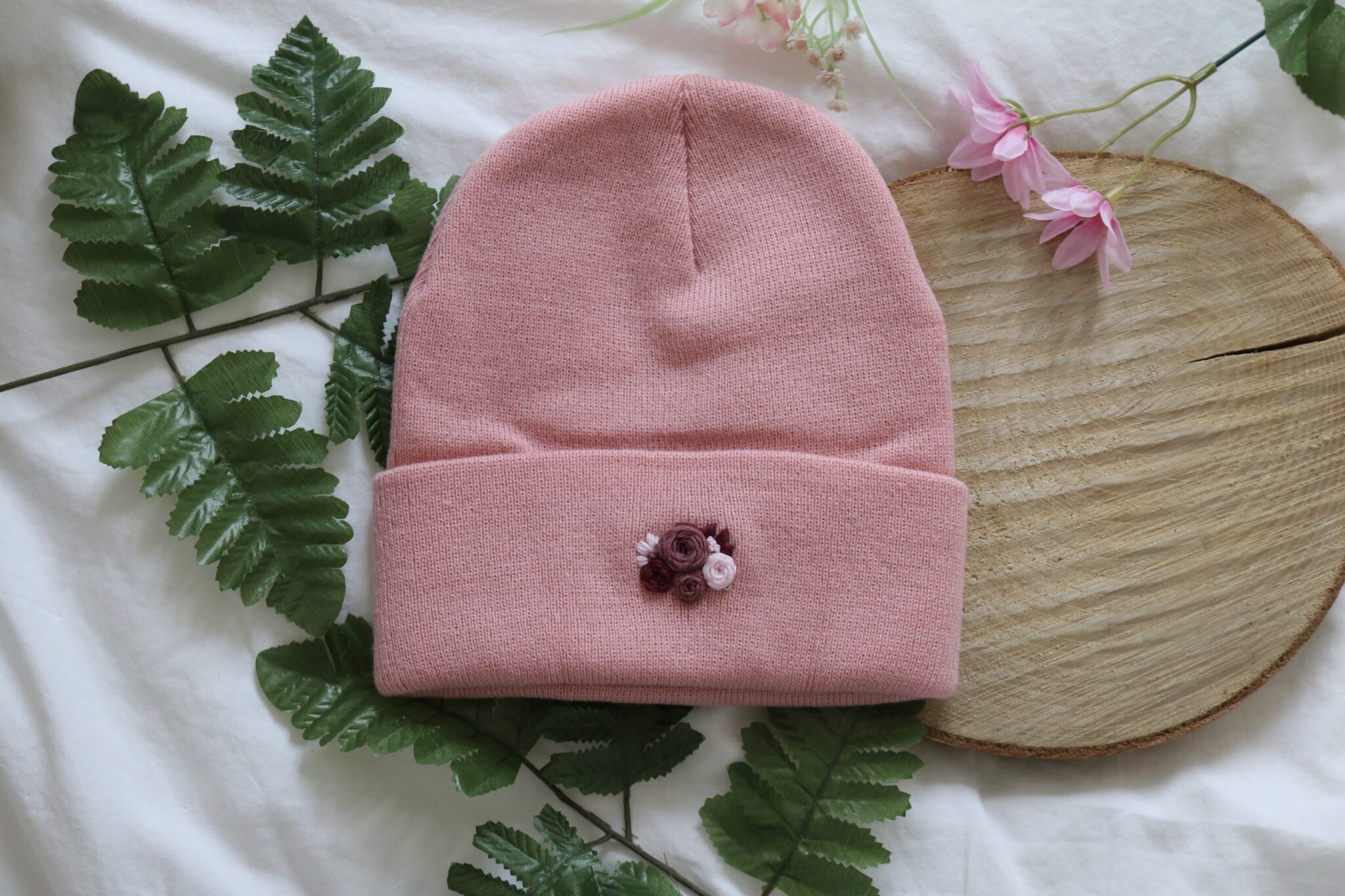
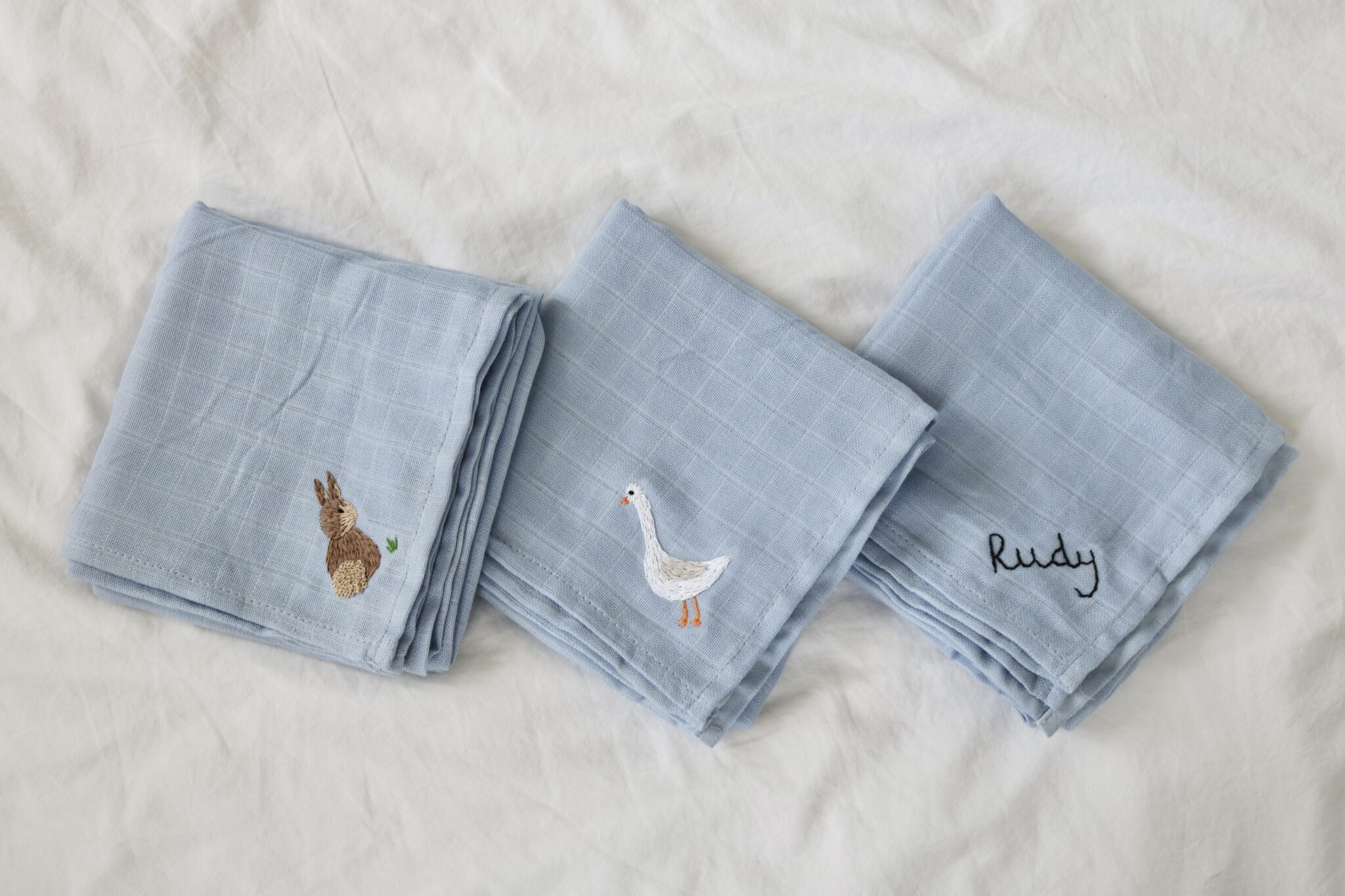
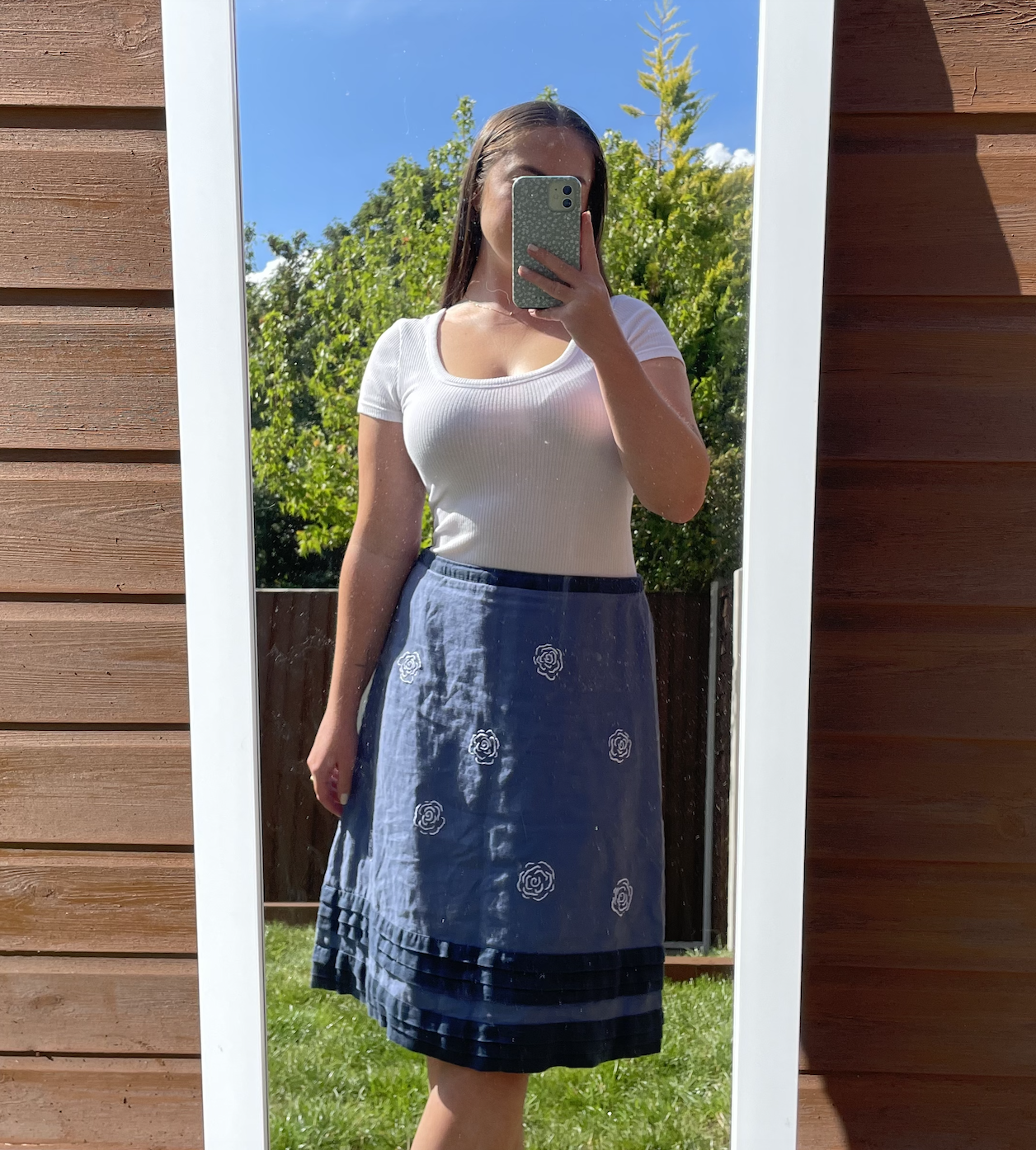
This is genuinely the whole idea behind my own shop. My Reclaimed collection takes second-hand clothing that would otherwise likely end up in landfill and gives it a completely new life through hand embroidery. Nothing is mass-produced, nothing is made in bulk, and no two pieces are ever quite the same. My Premium New collection follows the same principle in a different way. Rather than buying cheap, mass-produced basics, I choose higher-quality garments built to last, then hand embroider each one slowly and individually, made to order rather than in bulk. Whichever collection a piece comes from, it’s made with the same slow, considered approach rather than speed or volume. Read more about the two ways to shop here.
Final thoughts
Slow fashion isn’t about being perfect or never buying anything fast again. It’s about being a bit more intentional with what you buy, and giving more weight to things that are made to last rather than made to be replaced. Even small changes, like choosing one handmade or second-hand piece over a fast fashion one, add up.
Frequently asked questions
Often, yes, upfront. Slow fashion pieces tend to cost more per item because they’re made with better materials and more time and care. The idea is that they also last far longer, so the cost per wear usually ends up lower than constantly replacing fast fashion pieces that wear out quickly.
They overlap a lot, but they’re not identical. Slow fashion is mainly about the pace and scale of production, making things slowly and in smaller quantities. Sustainable fashion is a broader term covering environmental impact, materials, and ethics. In practice, slow fashion brands are very often sustainable too, since slower production naturally tends to mean less waste.
Second-hand and thrifted pieces are one of the easiest ways in, since you’re not paying for new materials or production. Buying fewer things overall, and choosing pieces you’ll genuinely wear for years, also makes a real difference without needing a bigger budget.
Generally, yes. It usually means less waste, more durable materials, and clothes that are designed to last rather than be replaced quickly, all of which reduce the environmental footprint compared to fast fashion.