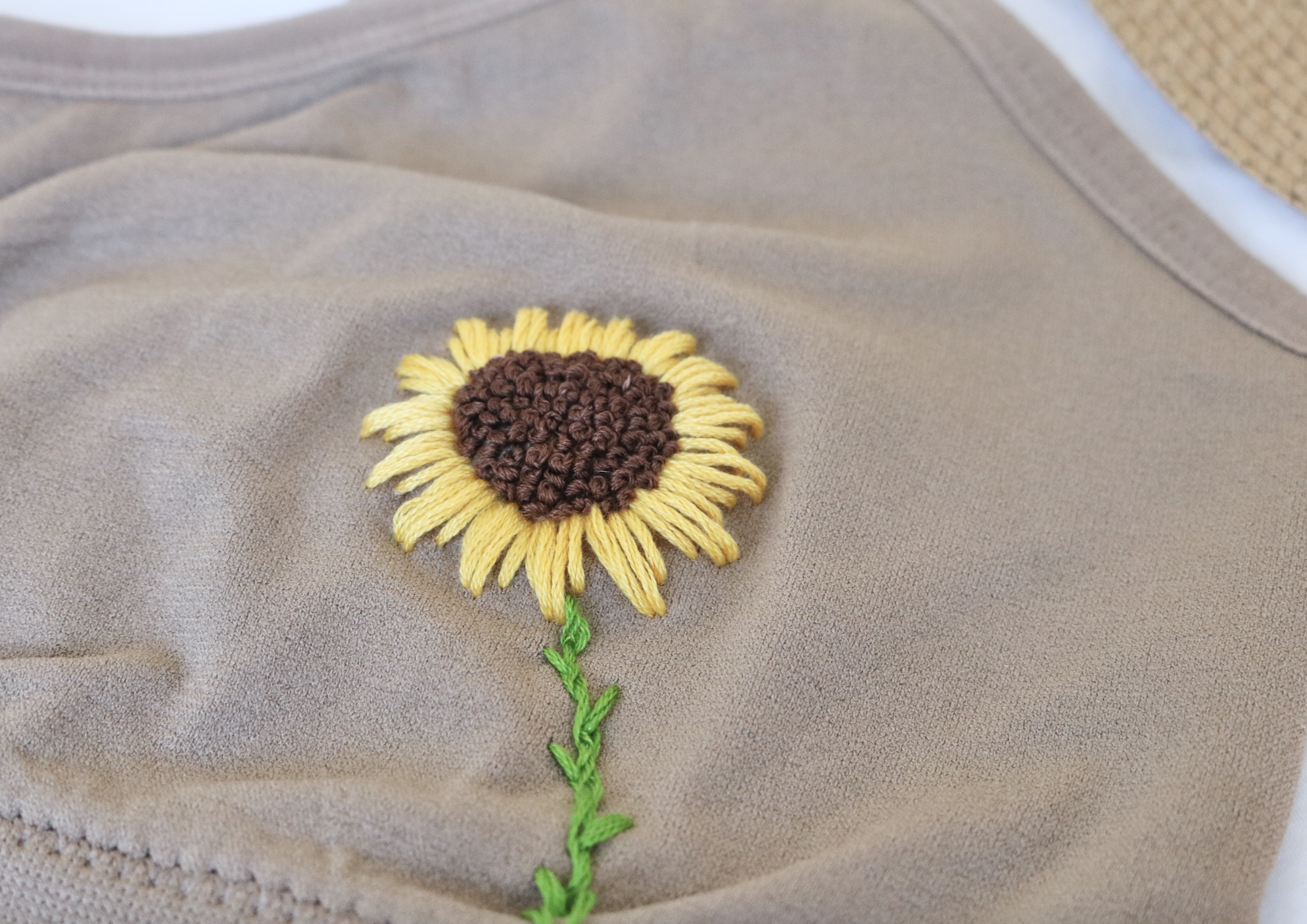
Embroidery is generally one of the most durable forms of garment decoration because the design is stitched directly into the fabric rather than printed on top. With proper care, embroidered designs can last for many years — often for the lifetime of the garment.
However, durability can vary depending on whether the embroidery is done by machine or by hand, the type of thread used, the fabric, and how the garment is cared for.
Why embroidery is so durable
Embroidery lasts because it is physically stitched into the fabric. Unlike prints that sit on the surface, embroidery becomes part of the garment structure.
Printed designs can:
- Fade over time
- Crack with wear
- Peel after washing.
Embroidery does not rely on adhesive or surface ink. Instead, thread is sewn through the fabric, which makes it naturally long-lasting. A stabiliser is also often used in embroidery which extends the life-span and delicacy of the embroidery.
When applied correctly to suitable fabrics like cotton or denim, embroidery can remain strong and visually clear for many years.

Hand embroidery vs machine embroidery
There is an important difference between hand embroidery and machine embroidery when it comes to durability.
Machine embroidery
Machine embroidery is created using automated stitching. It is often very uniform and tightly stitched. Because machines can produce extremely consistent tension and dense stitching, machine embroidery is often considered more structurally durable in high-wear environments.
Hand embroidery
Hand embroidery is stitched manually, which allows for greater creativity, detail, and artistic variation. While hand embroidery is also durable, its longevity can depend more on:
- The stitch type
- The fabric used
- The care given to the garment.
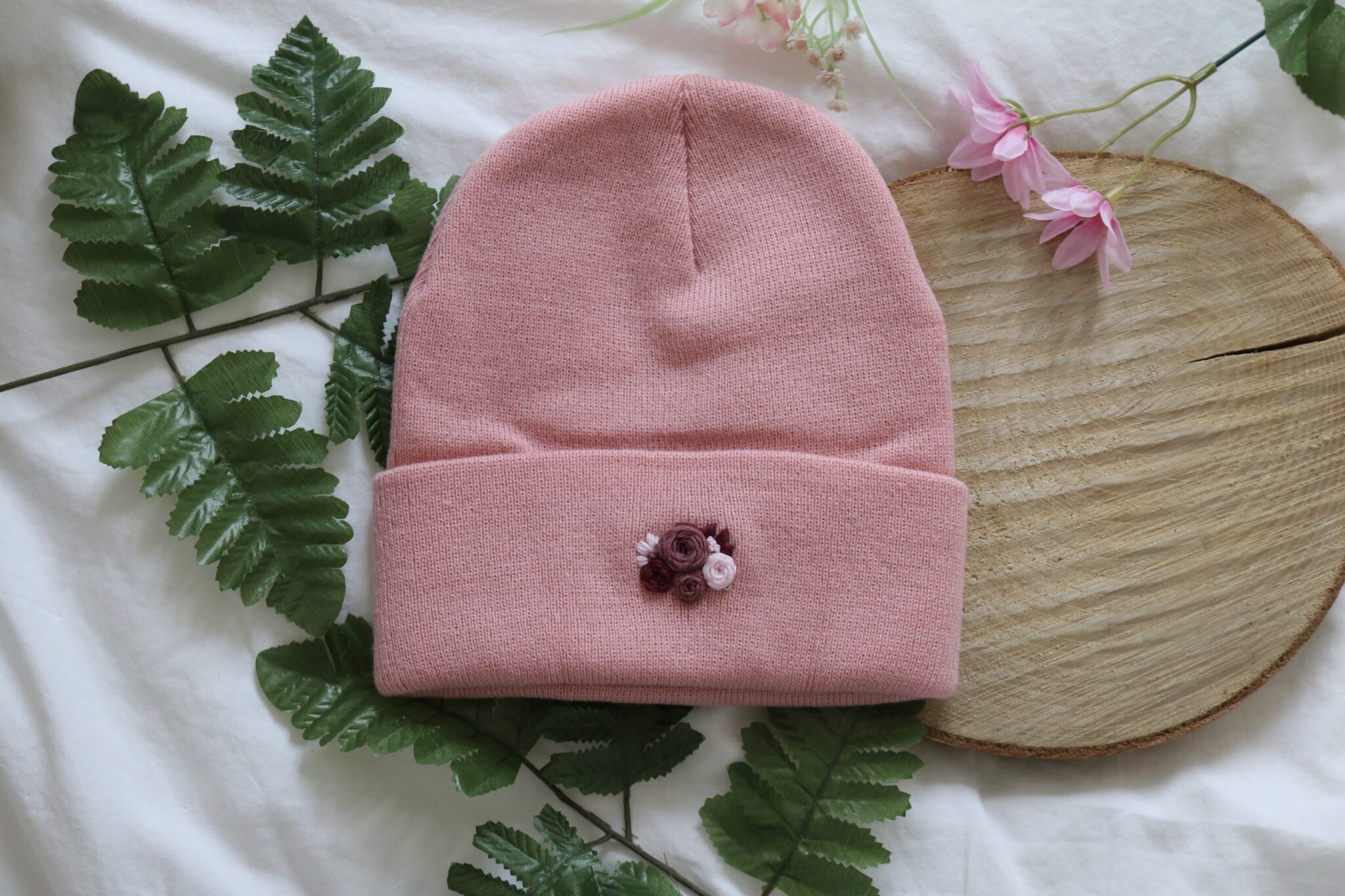
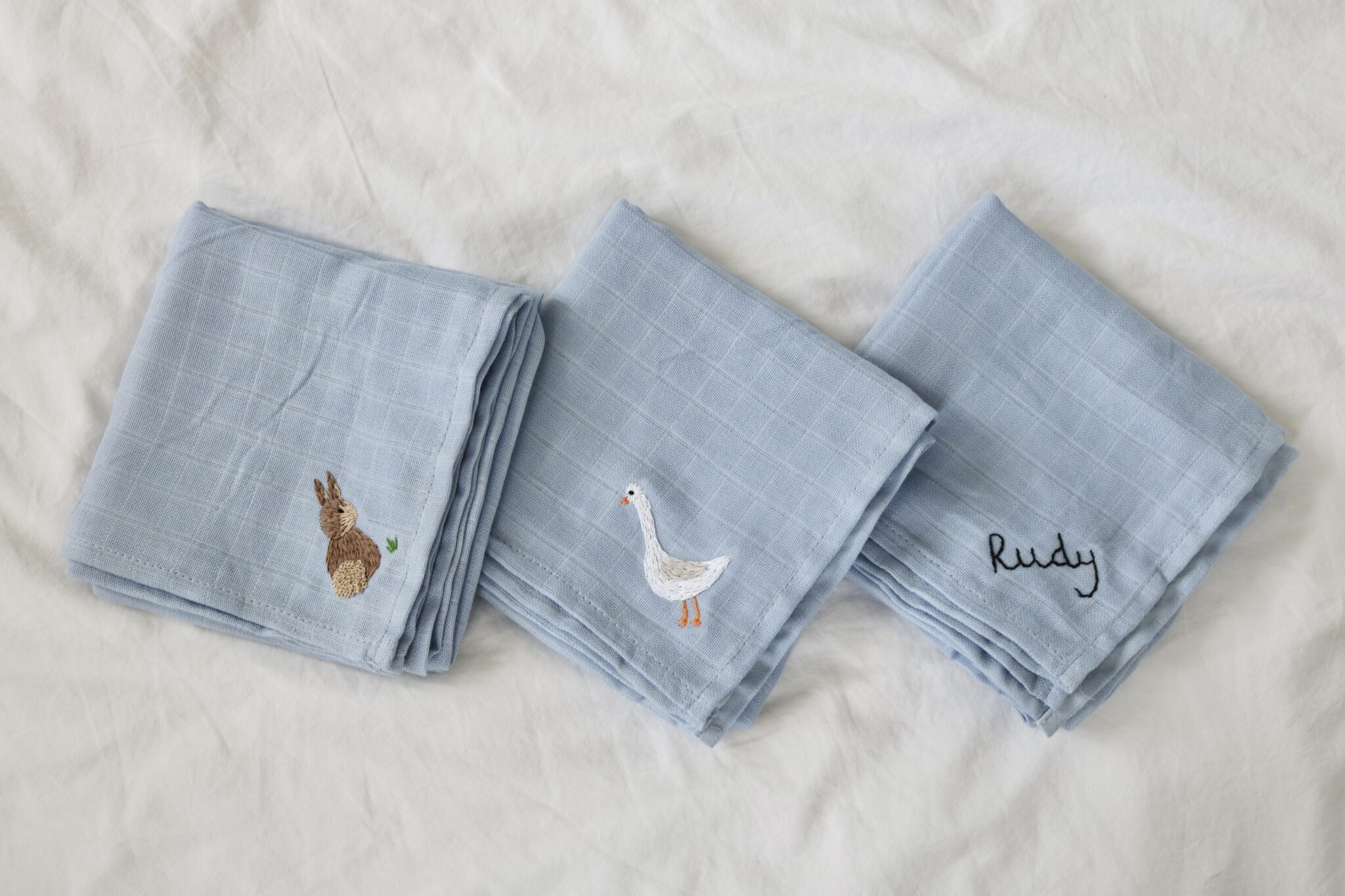
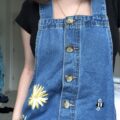
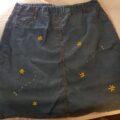
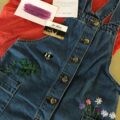
At my shop, all pieces are hand embroidered, which means each design is carefully stitched by hand rather than produced by machine. Hand embroidery offers a unique, artisanal finish and individual character. With proper care, hand embroidered garments can still last many years and remain beautifully intact.
Washing embroidered clothing
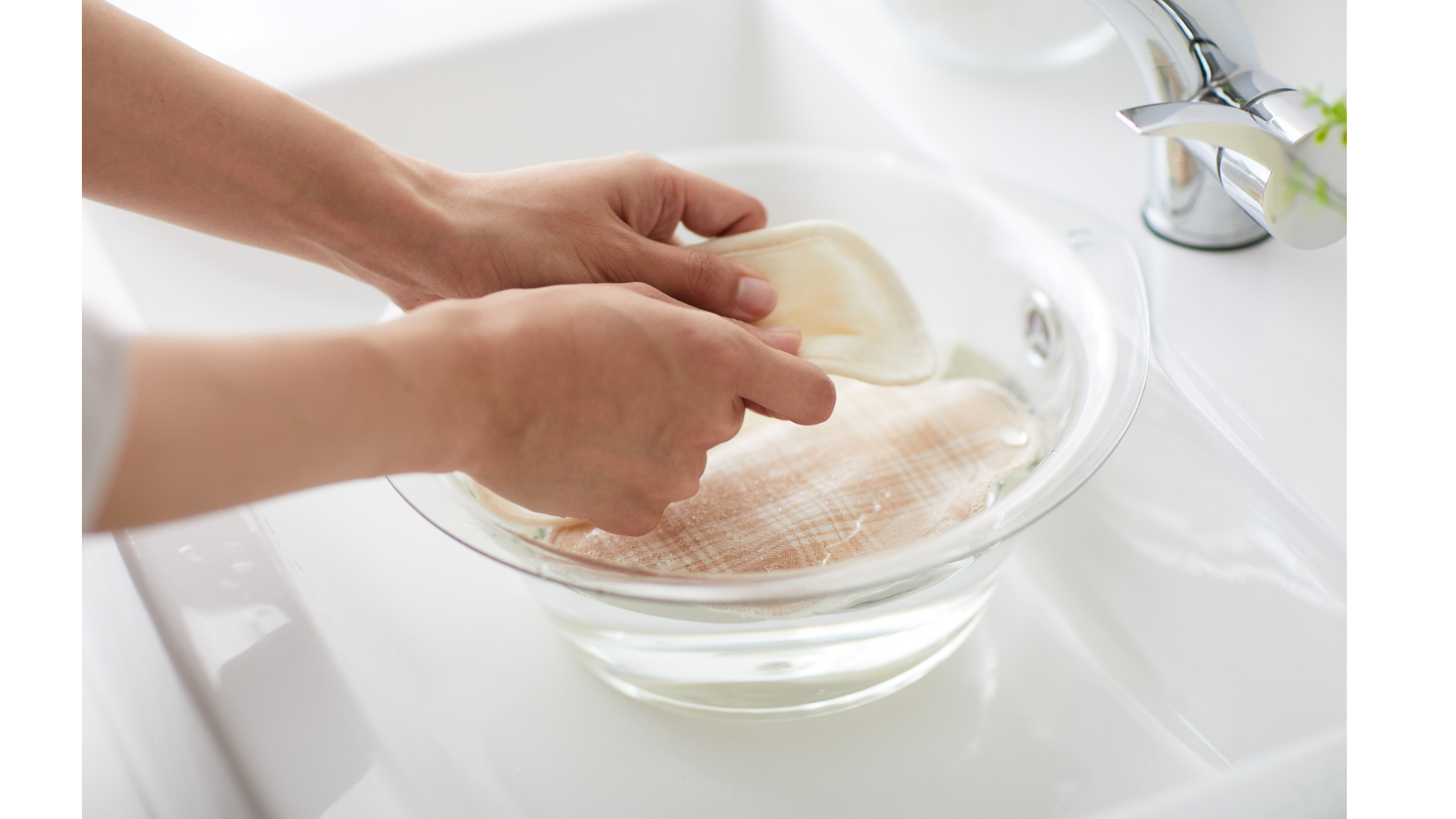
To maintain embroidery durability, gentle care is recommended. Not all hand embroidered clothing can be machine washed, some must be hand washed. Read our full washing guide to make the most of your clothing.
Helpful washing tips:
- Turn garments inside out
- Wash in a delicates bag
- Use a gentle cycle
- Avoid high heat
- Use mild detergent
- Avoid harsh bleaching products.
Gentle washing reduces friction, which helps protect both hand and machine embroidery.
Avoiding thread damage
Although embroidery is strong, it is still made of thread. To help it last:
- Avoid rubbing against rough surfaces
- Be careful with sharp jewellery or straps
- Store garments neatly
- Avoid direct high heat when ironing.
If ironing is needed, placing a cloth over the embroidery helps protect the stitching.
Can embroidery be repaired?
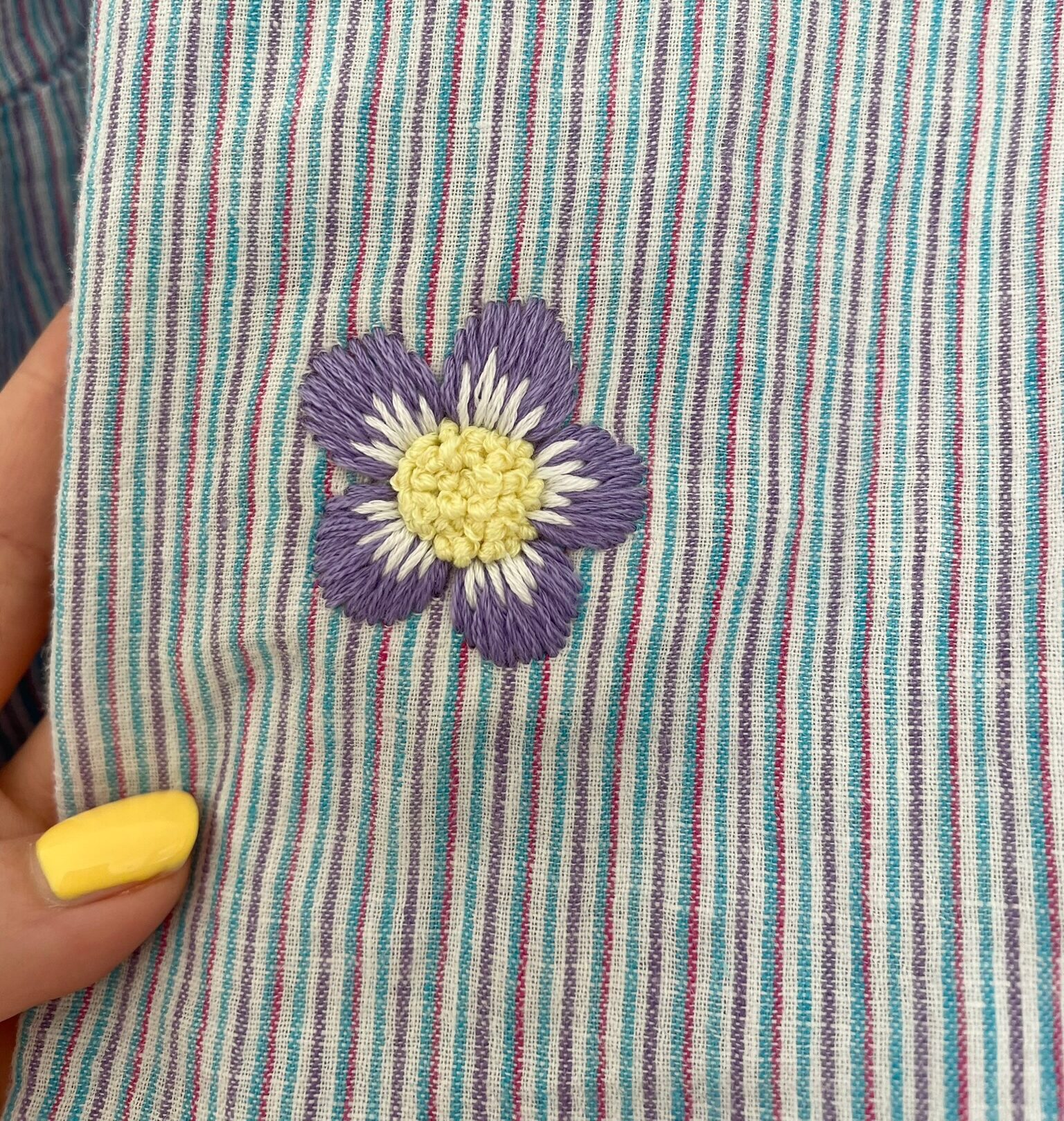
One advantage of embroidery is that small issues can often be repaired.
Loose threads may sometimes be:
- Secured with additional stitching
- Trimmed carefully
- Reinforced with matching thread.
In some cases, embroidery can even be creatively refreshed or layered.
Examples of long-lasting embroidery
Embroidery is commonly used on durable garments such as:
- Cotton clothing
- Denim clothing
- Linen clothing
- Canvas bags
- Workwear
When applied to stable fabrics, embroidery can withstand repeated wear and remain visually strong over time.
Final thoughts
So, how durable is embroidery?
In most cases, embroidery is one of the most durable forms of clothing decoration. While machine embroidery may offer slightly higher uniformity in some contexts, hand embroidery provides artistry, individuality, and longevity when cared for properly.
With thoughtful garment selection and gentle washing, both hand and machine embroidery can last for many years.
If you enjoyed this post, you might be interested in why hand embroidery is worth the investment.