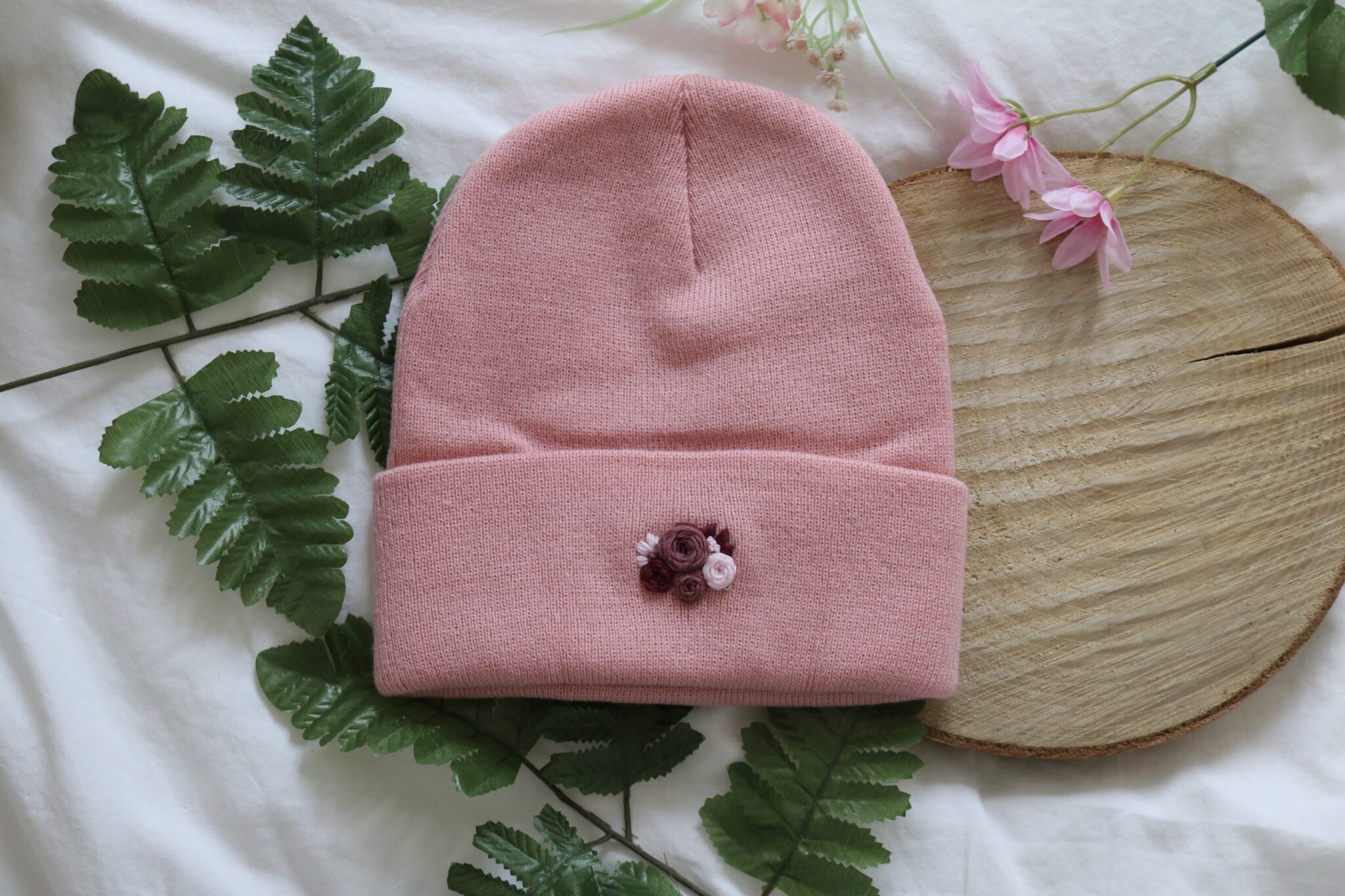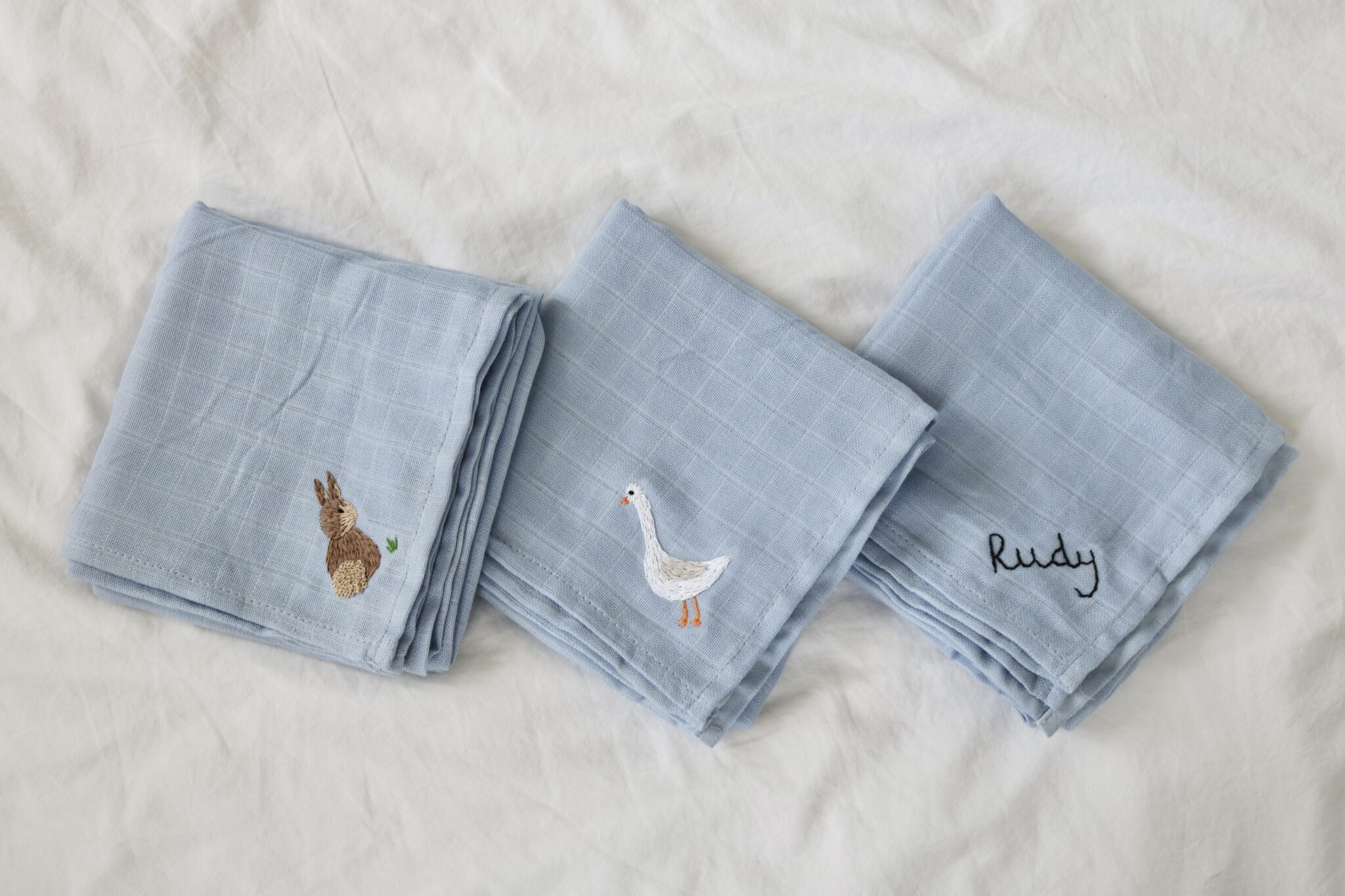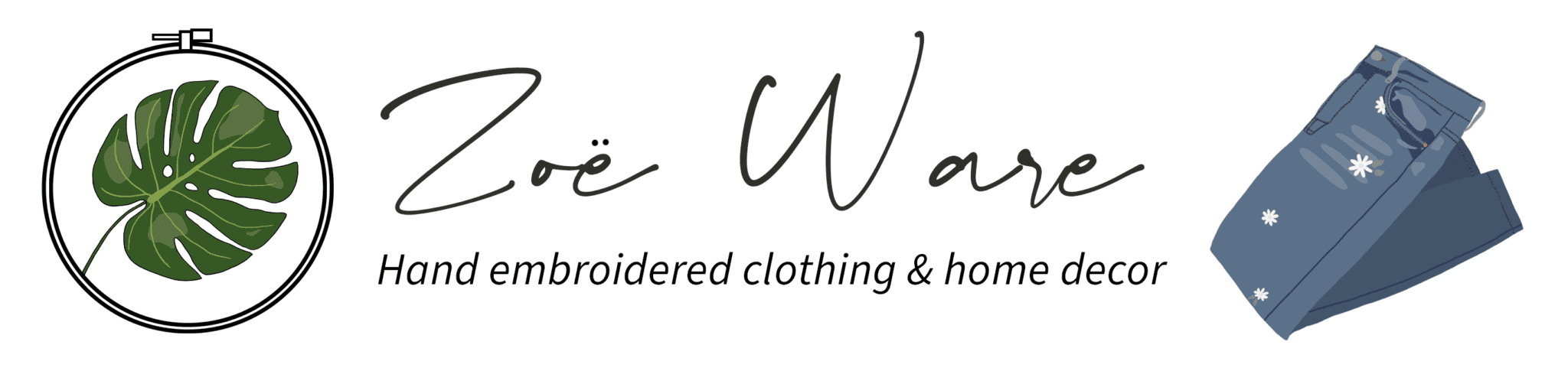
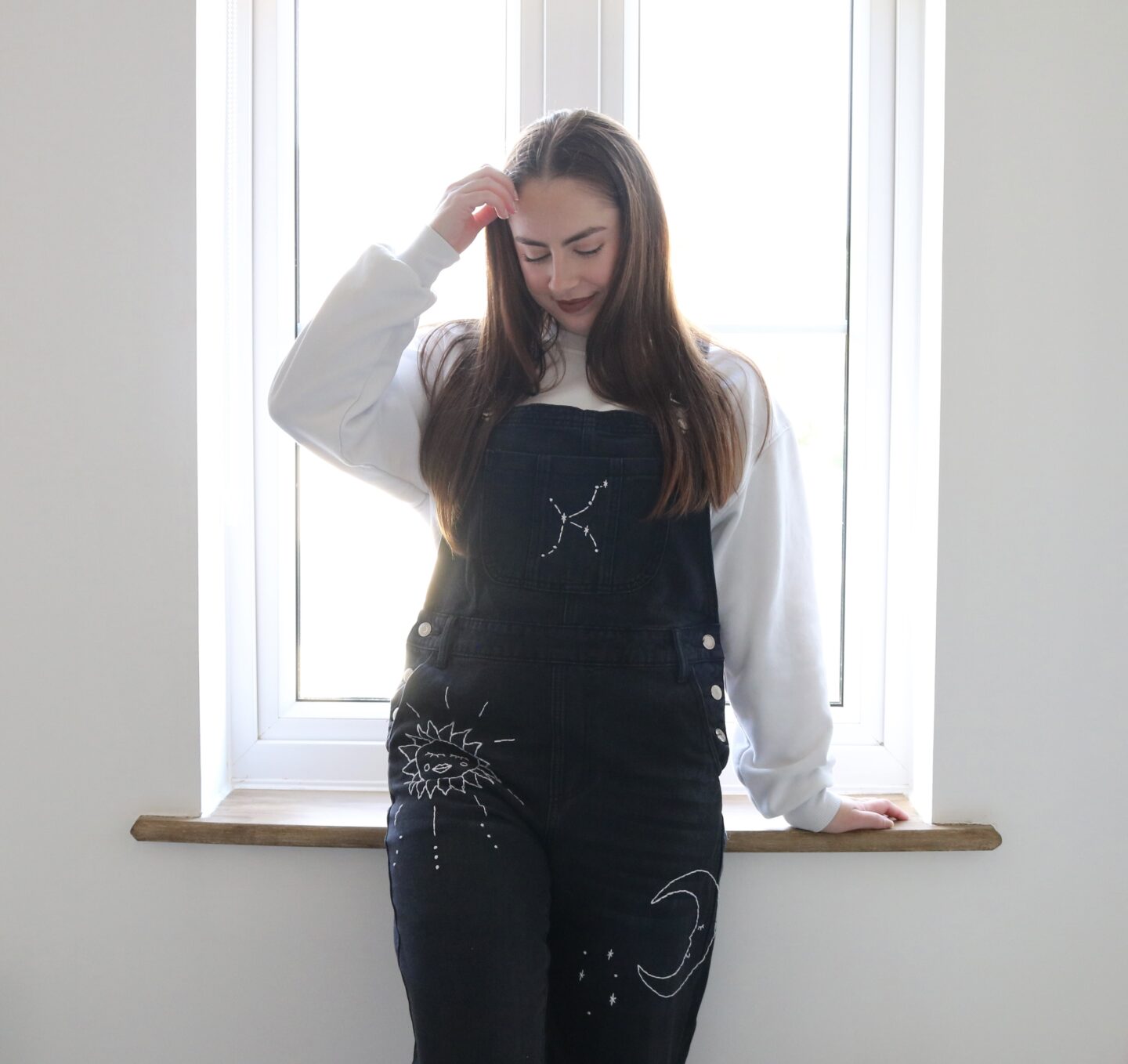
Yes, most clothing can be embroidered after it has been manufactured, as long as the fabric is stable enough and there is access to the area where the stitching will be placed! Fabrics such as cotton, denim, linen, and canvas are particularly well suited to embroidery because they are strong and hold stitches securely.
Many people choose to embroider clothing they already own to personalise it, repair damaged areas, or give a favourite garment a completely new look.
What types of clothing can be embroidered?
A wide range of clothing and fabric items can be embroidered after they are made. The most suitable pieces are those where the fabric can be laid flat or where there is enough space to stitch comfortably.
Common items that can be embroidered include:
- T-shirts
- Denim jackets
- Jeans
- Dresses
- Sweatshirts and hoodies
- Tote bags
- Aprons
- Shirts and blouses.
Accessories and home items such as fabric bags, cushion covers, and fabric wall hangings can also be embroidered.
The key factor is simply whether the area you want to embroider can be accessed easily without sewing through unwanted layers.
What fabrics work best for embroidery?
Some fabrics are particularly well suited to embroidery because they are stable and durable.
The best fabrics include:
Cotton
Cotton is one of the easiest fabrics to embroider because it holds stitches neatly and does not stretch excessively.
Denim
Denim is thick and durable, making it ideal for embroidery designs on jackets, jeans, and dresses.
Linen
Linen has a strong weave and is commonly used for both decorative and traditional embroidery.
Canvas
Canvas bags and aprons are excellent for embroidery because the fabric is sturdy and keeps the design stable.
These fabrics allow embroidery stitches to sit cleanly on the surface without puckering or distorting the garment.
Fabrics that can be difficult to embroider
While many fabrics can be embroidered, some are more challenging than others.
Fabrics that may require extra care include:
- Stretch fabrics such as jersey or activewear, which can distort if not stabilised properly.
- Very thin fabrics like chiffon or delicate silk, which may not support heavier stitching.
- Thick padded items where the needle may struggle to pass through multiple layers.
These materials are not always impossible to embroider, but the design size and stitching technique may need to be adjusted.
Design size limitations
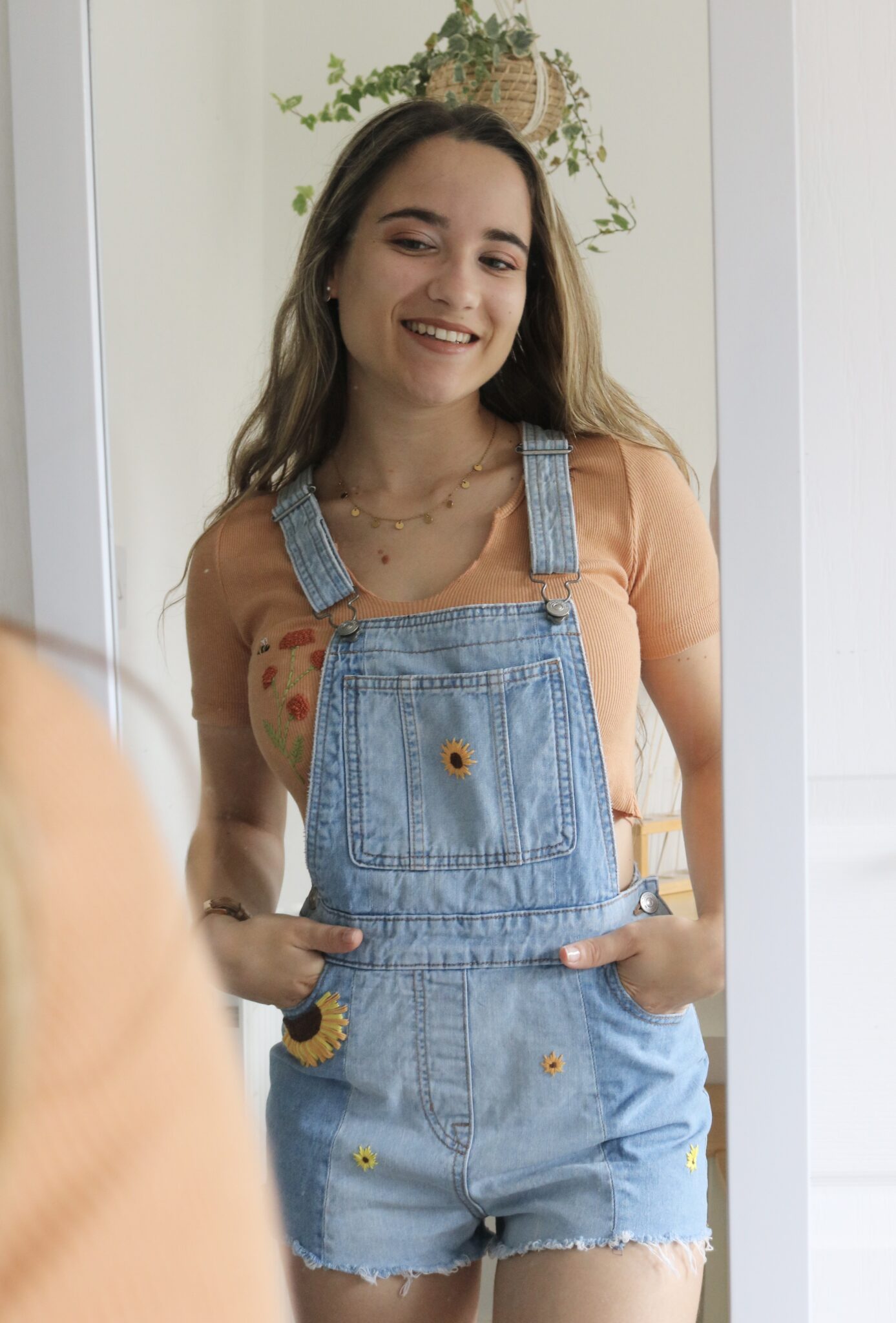
When embroidering finished clothing, the size of the design is often influenced by the garment structure.
For example, seams, pockets, linings, or tight areas may limit how large a design can be placed. Smaller or medium designs usually work best because they fit comfortably within accessible areas of the garment.
Placement also matters. Popular embroidery locations include:
- Chest areas on shirts and jackets
- Sleeves
- Pockets
- Collars
- The back of jackets or dresses
Choosing the right placement ensures the design sits neatly and the garment remains comfortable to wear.
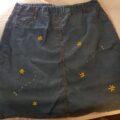
Real examples of embroidered clothing
Embroidery can be used to decorate, personalise, or repair many types of garments.
Some popular examples include:
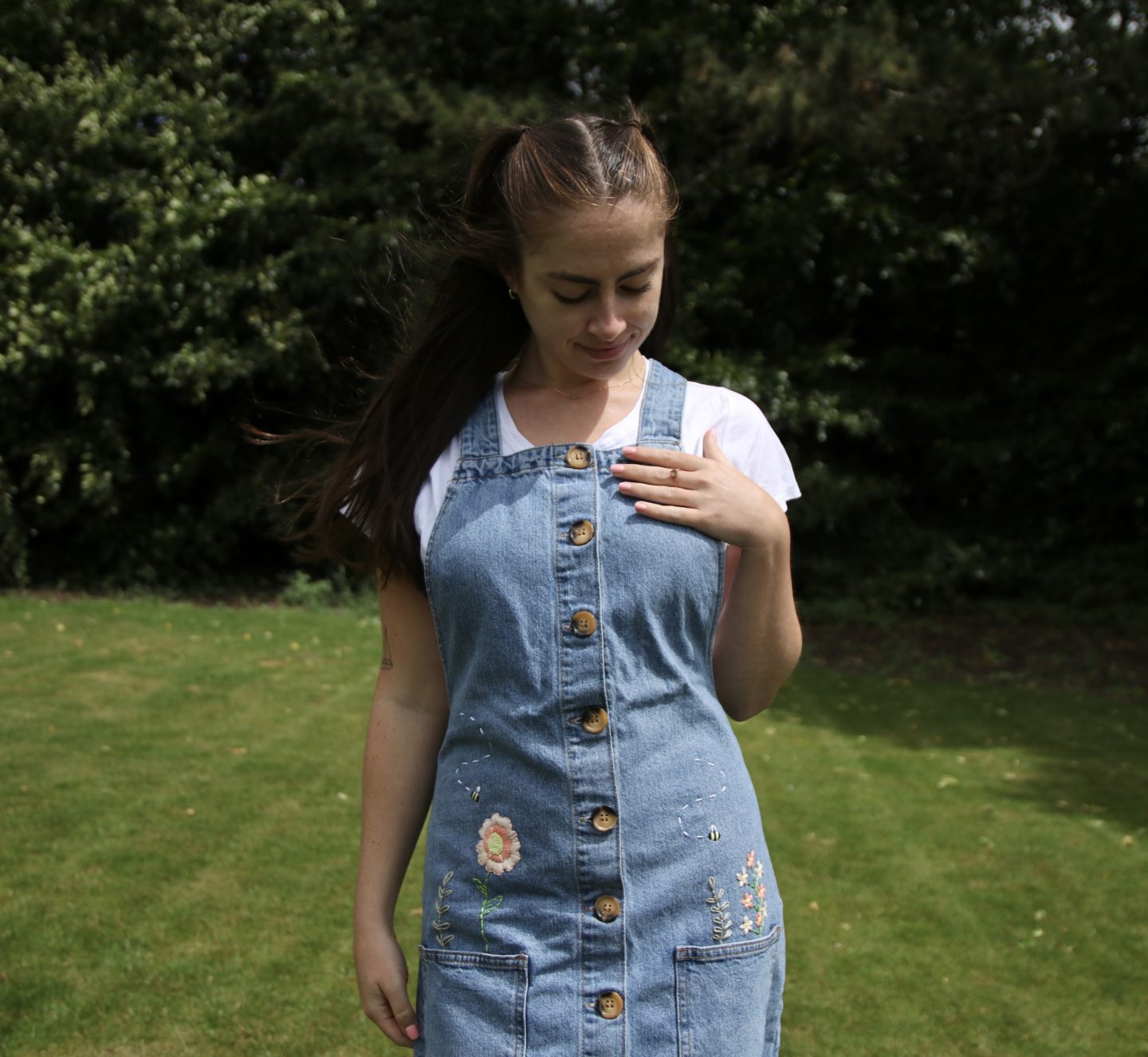
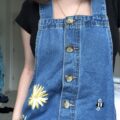
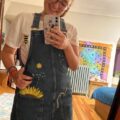
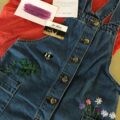
Denim dresses
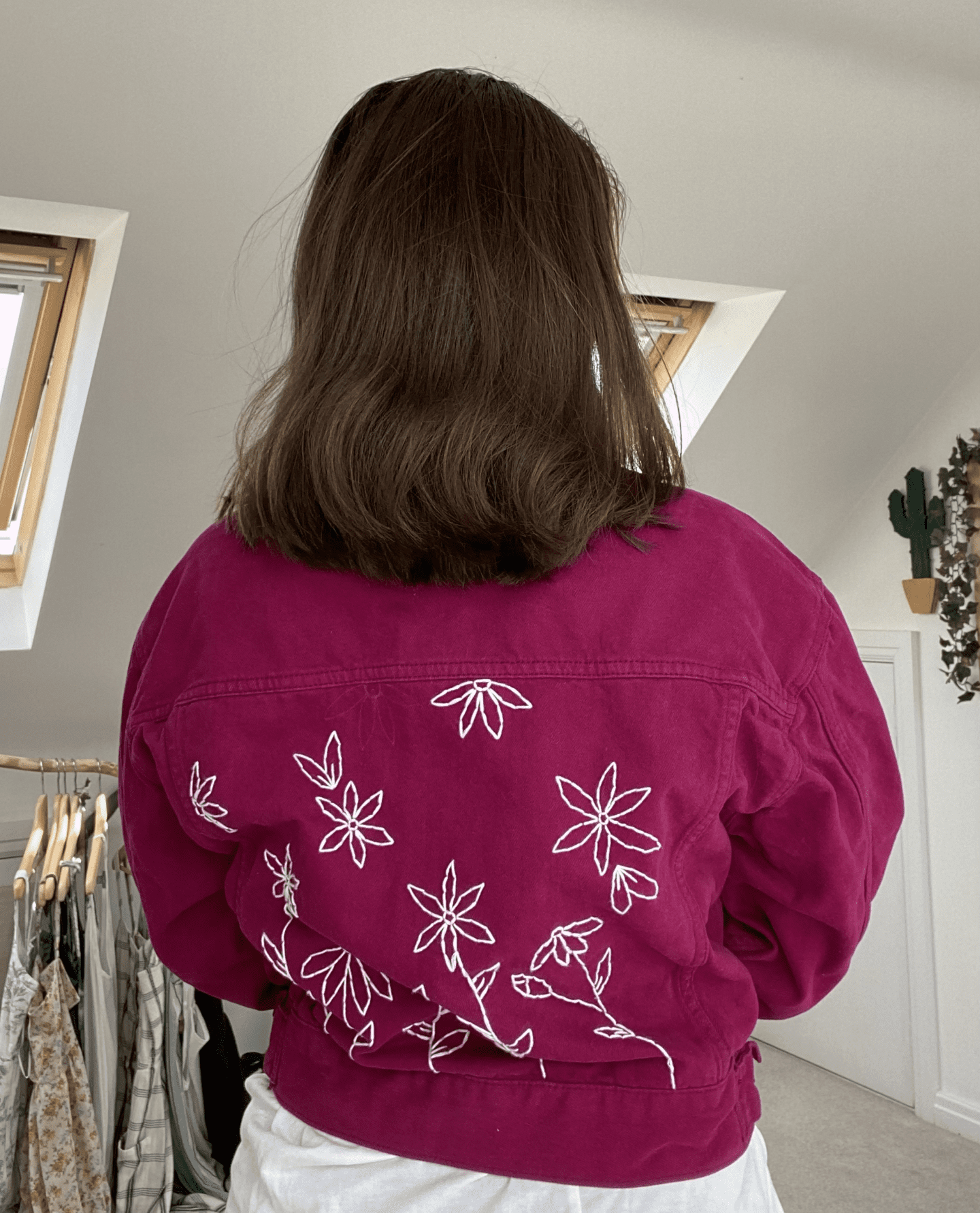
Floral embroidery or small motifs can transform a plain denim dress into a unique piece.
Jackets
Denim jackets are often embroidered on the back, sleeves, or chest with decorative designs or personalised artwork.
Tote bags
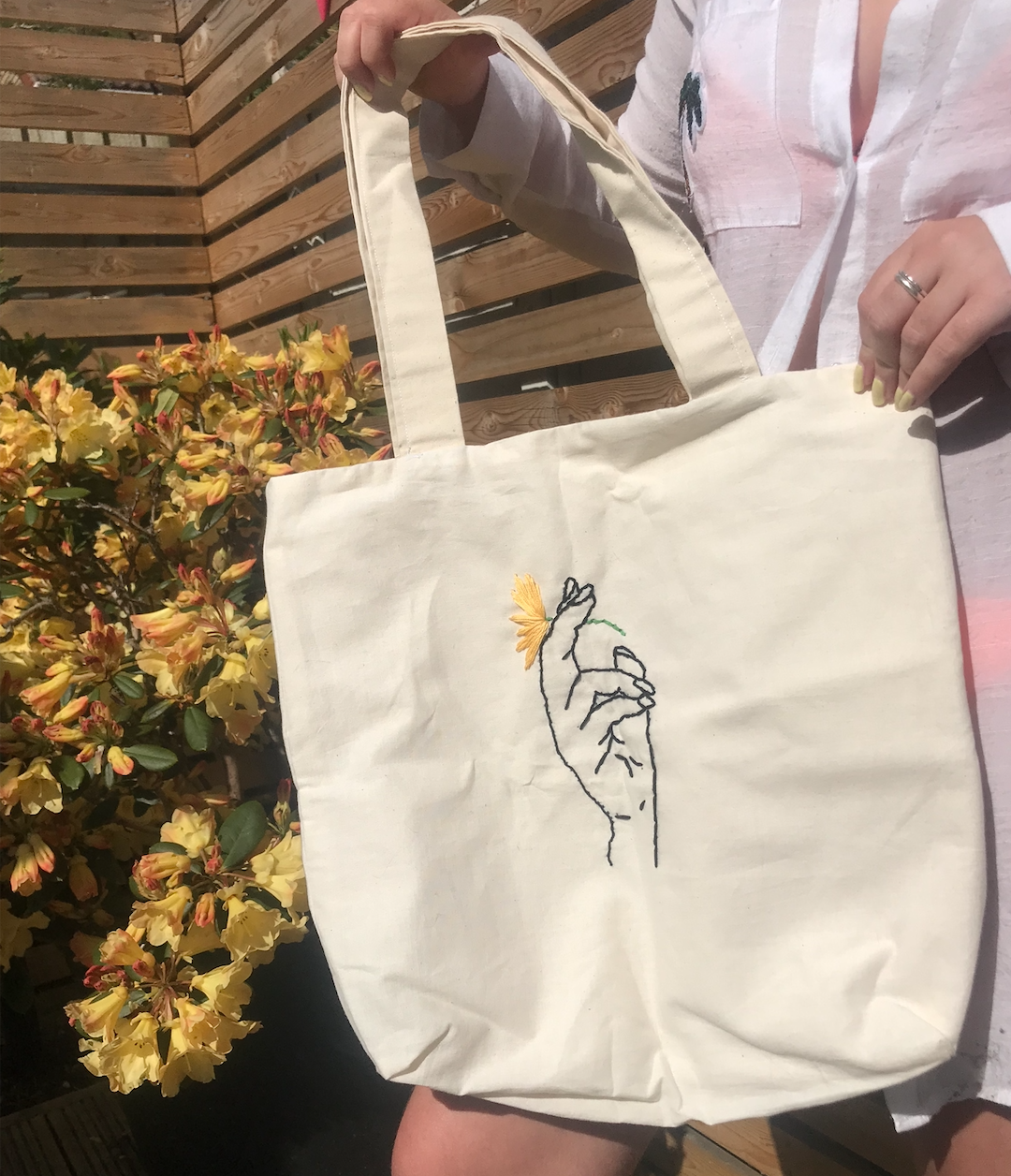
Canvas tote bags are ideal for embroidered initials, illustrations, or custom designs.
Embroidery can also be used creatively to cover small holes, stains, or worn areas in clothing, giving older garments a second life.
Can you embroider clothing that you already own?
Yes, clothing that you already own can often be embroidered. Many people choose to personalise existing garments rather than buying something new. This can be a great way to update a favourite piece, add a meaningful design, or cover small marks, stains, or holes.
Items like denim jackets, shirts, dresses, tote bags, and aprons are particularly popular for custom embroidery because the fabric is strong and easy to stitch.
If you have a garment you would like to personalise, you can also send your own clothing to be embroidered. I offer custom embroidery services where customers can request personalised designs or small repairs using embroidery, helping transform existing clothing into something unique and wearable again.
As someone who regularly embroiders clothing for customers, I often work on garments that have already been worn and loved!
If you are new to custom embroidery, you may find this guide on custom embroidery helpful.
Frequently Asked Questions
Yes, many garments can be embroidered after they are made, especially items made from stable fabrics such as cotton, denim, linen, or canvas.
Yes, embroidery can be used to creatively repair clothing by covering small marks, stains, or holes with decorative stitching.
Denim jackets, shirts, tote bags, dresses, and aprons are some of the easiest garments to embroider because the fabric is stable and easy to access.
Embroidered clothing is best hand-washed and air-dried, but a complete guide on caring for embroidered clothing can be found here.